
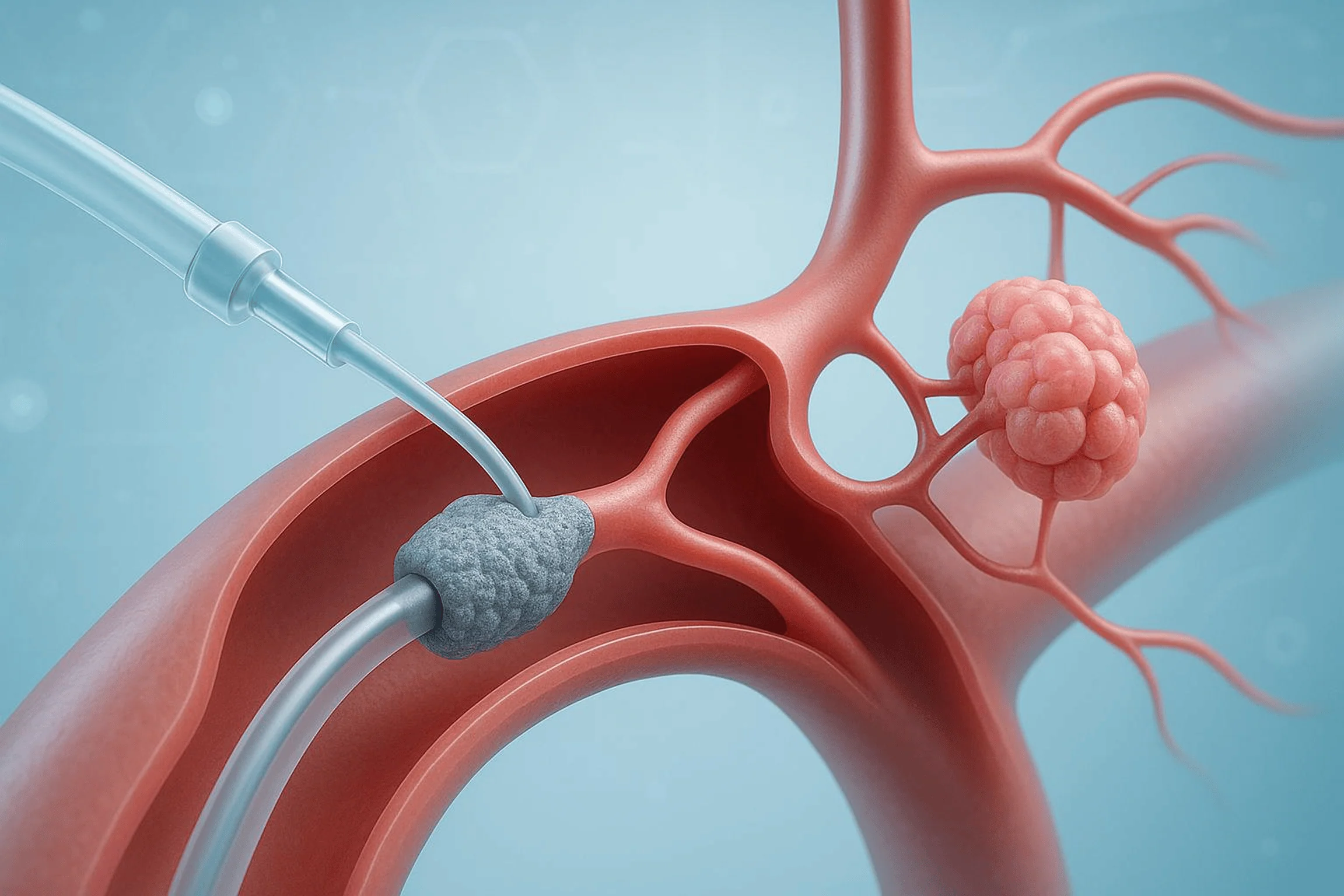
Embolisation Procedures
Varicocele, Uterine Fibroid, Prostatic Artery & Bronchial Artery Embolisation
- Catheter-Based, Image-Guided Precision
- No Surgical Incision, No Visible Scar
- Organ Function Preserved
- Day-Care to Short-Stay Procedure
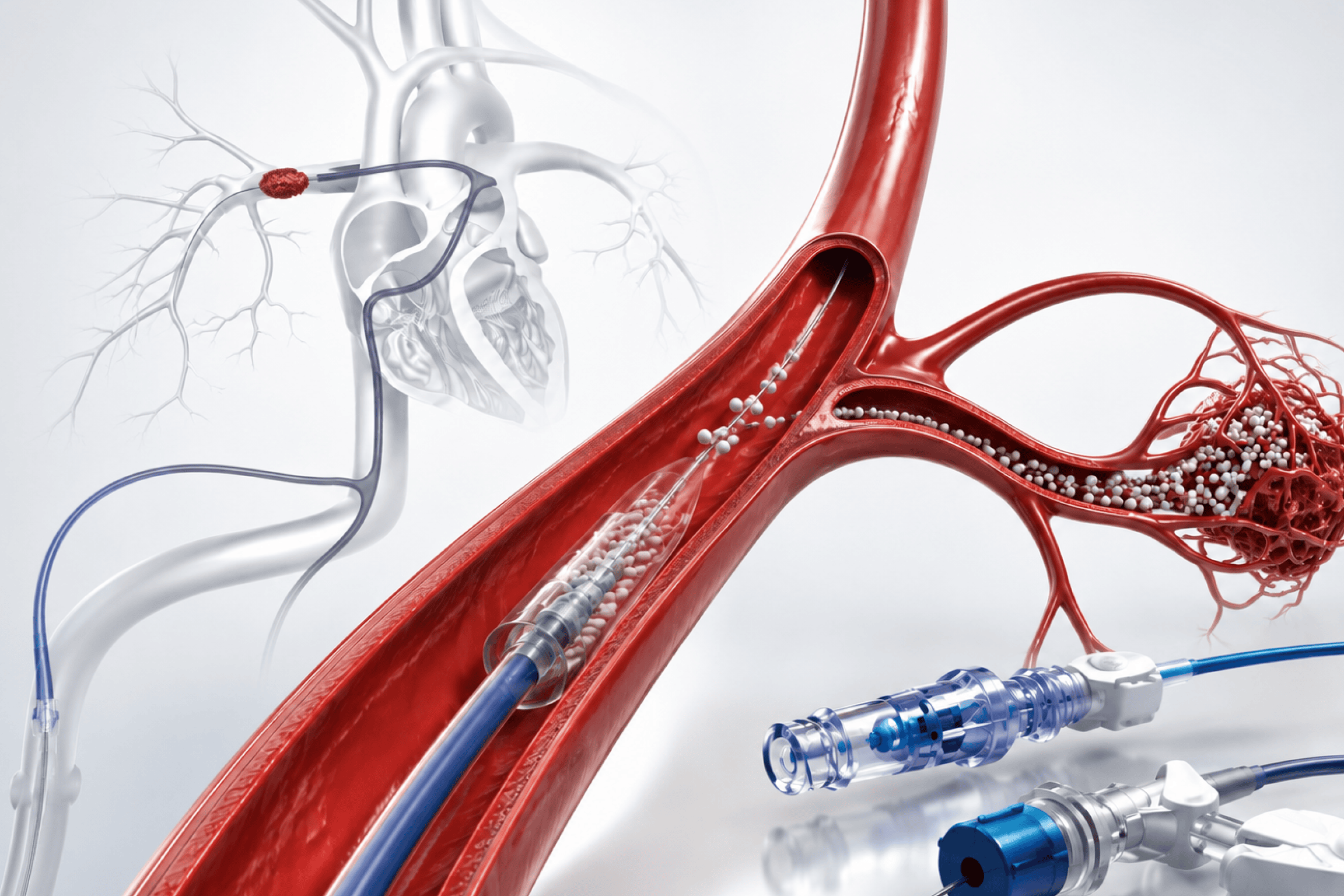
What are Embolisation?
Scarless Treatment
Organ-Preserving
Symptom Relief
Outpatient to Short-Stay Procedure
Symptoms & Indications
- Scrotal heaviness, pain, or swelling from a varicocele.
- Heavy menstrual bleeding, pelvic pressure, or pain from uterine fibroids.
- Weak urinary stream, frequency, or incomplete emptying from prostatic enlargement.
- Coughing up blood from bronchial artery abnormalities.
- Symptoms not adequately controlled with medication alone.
- Infertility concerns linked to varicocele or fibroids.
Types of Embolisation We Perform
V
Varicocele Embolisation
Abnormal testicular veins are occluded from within, relieving scrotal discomfort without open surgical ligation.
U
Uterine Fibroid Embolisation
Particles are delivered into the uterine arteries to cut off blood supply to fibroids, shrinking them while preserving the uterus.
P
Prostatic Artery Embolisation
Blood flow to the prostate is reduced, shrinking the gland and relieving urinary symptoms of prostatomegaly.
B
Bronchial Artery Embolisation
Bleeding bronchial vessels are selectively blocked to control haemoptysis and stabilise the airway.
Embolisation Treatment Journey
Scarless Procedure
Local Anaesthesia Only
Same-Day to Short-Stay Discharge
Organ Function Preserved
Post‑Procedure Care & Recovery
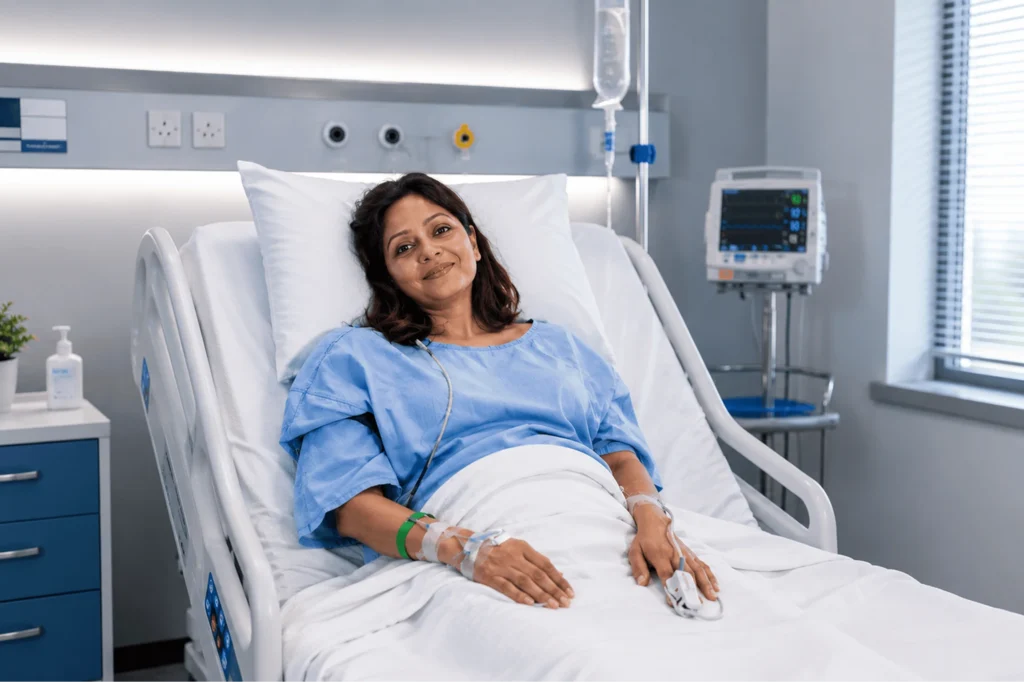
Immediate Recovery
A brief period of observation to monitor the puncture site, vital signs, and pain levels before discharge.
Home Care Plan
Guidance on activity, puncture site care, and mild pain management for the first few days, with most patients resuming normal routines within a few days.
Follow-Up Consultation
Scheduled review and imaging over the following weeks to months to confirm shrinkage, assess symptom improvement, and guide any further management.
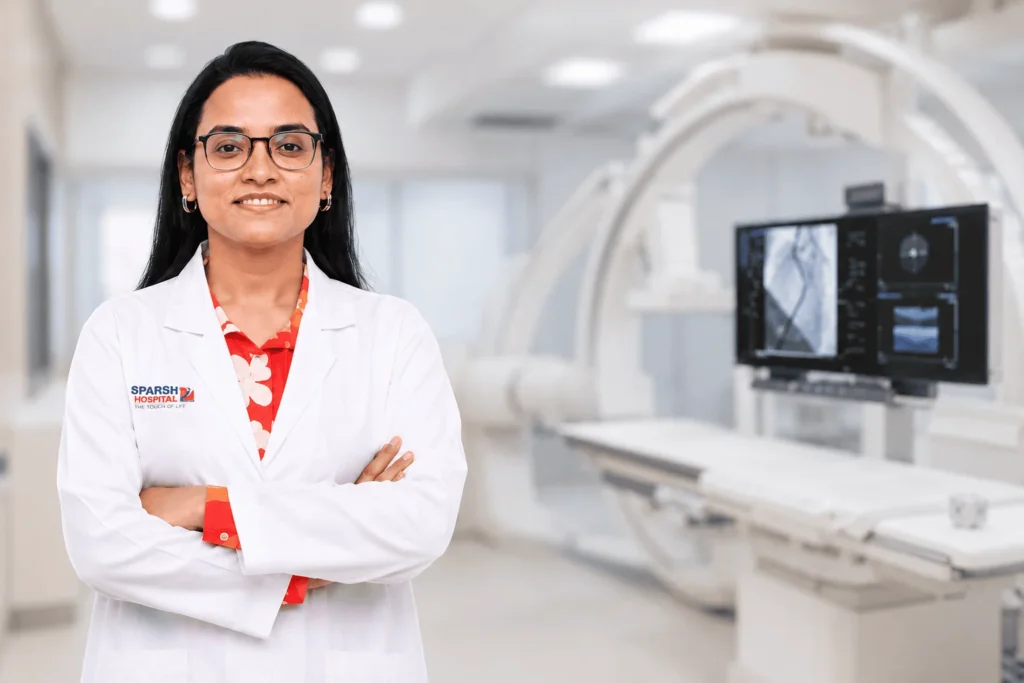
Why Choose Dr. Deepmala Karmakar?
Our interventional radiology practice brings specialised expertise across the full spectrum of vascular and non-vascular care. Every case begins with a thorough clinical evaluation ensuring the most appropriate, evidence-based intervention is selected for each patient’s specific condition.
Every procedure is performed under real-time advanced imaging whether ultrasound, fluoroscopy, or CT enabling precise access and targeted treatment with minimal disruption to surrounding tissue and faster recovery outcomes.
Experienced Specialists
Each procedure is led by a trained interventional radiologist with deep expertise across vascular and non-vascular domains.
Advanced Technology
Procedures are guided by state-of-the-art imaging infrastructure, ensuring accuracy at every step of the intervention.
24×7 Response
Time-critical conditions including acute stroke and vascular emergencies are managed with round-the-clock readiness and a dedicated response protocol.
Image-Guided Precision
Targeted access under real-time imaging minimises tissue disruption, reduces procedure time, and supports faster, more predictable recovery.
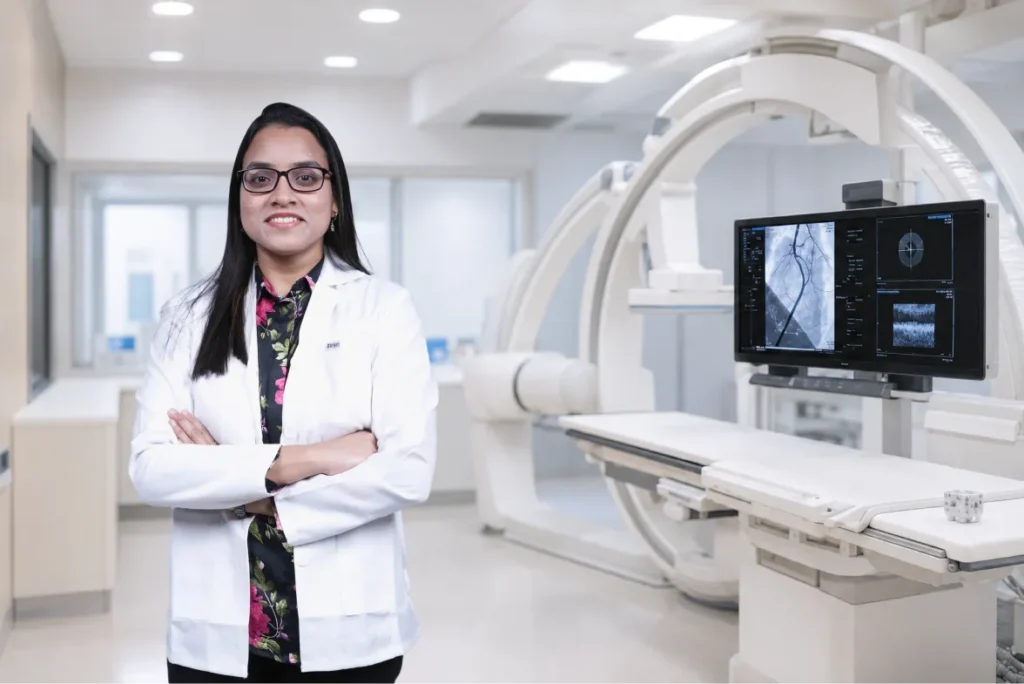
Why Choose
Dr. Deepmala Karmakar?
Experienced Specialists
Procedures performed by an interventional radiologist trained in catheter-based embolisation techniques.
Advanced Imaging Technology
High-resolution fluoroscopy enables precise vessel targeting and real-time monitoring during embolisation.
Organ-Preserving Approach
Treatment is confined to the abnormal vessels, safeguarding surrounding healthy tissue and function.
Minimally Invasive Precision
Catheter-based access through the wrist or groin avoids incisions, general anaesthesia, and prolonged hospital stays.
Frequently Asked Questions
How is embolisation different from surgery?
Embolisation treats the problem through a catheter under image guidance, without any incision or removal of the affected organ — preserving its structure and function while avoiding a visible scar, unlike surgical removal.
Which embolisation procedure is right for me?
The right procedure depends on the underlying condition — varicocele, fibroids, prostatic enlargement, or bronchial bleeding — assessed individually through clinical evaluation and imaging before treatment is planned.
What is the typical recovery time after embolisation?
Most embolisation procedures are performed as day-care or short-stay treatments. The exact recovery timeline depends on the procedure type, the extent of the condition, and the patient's overall response to treatment.
Get in Touch
Scarless Solutions Through Embolisation
90%
Symptom Improvement Success
Same-Day
Discharge
0
Visible Scars
10+
Years of Experience
