
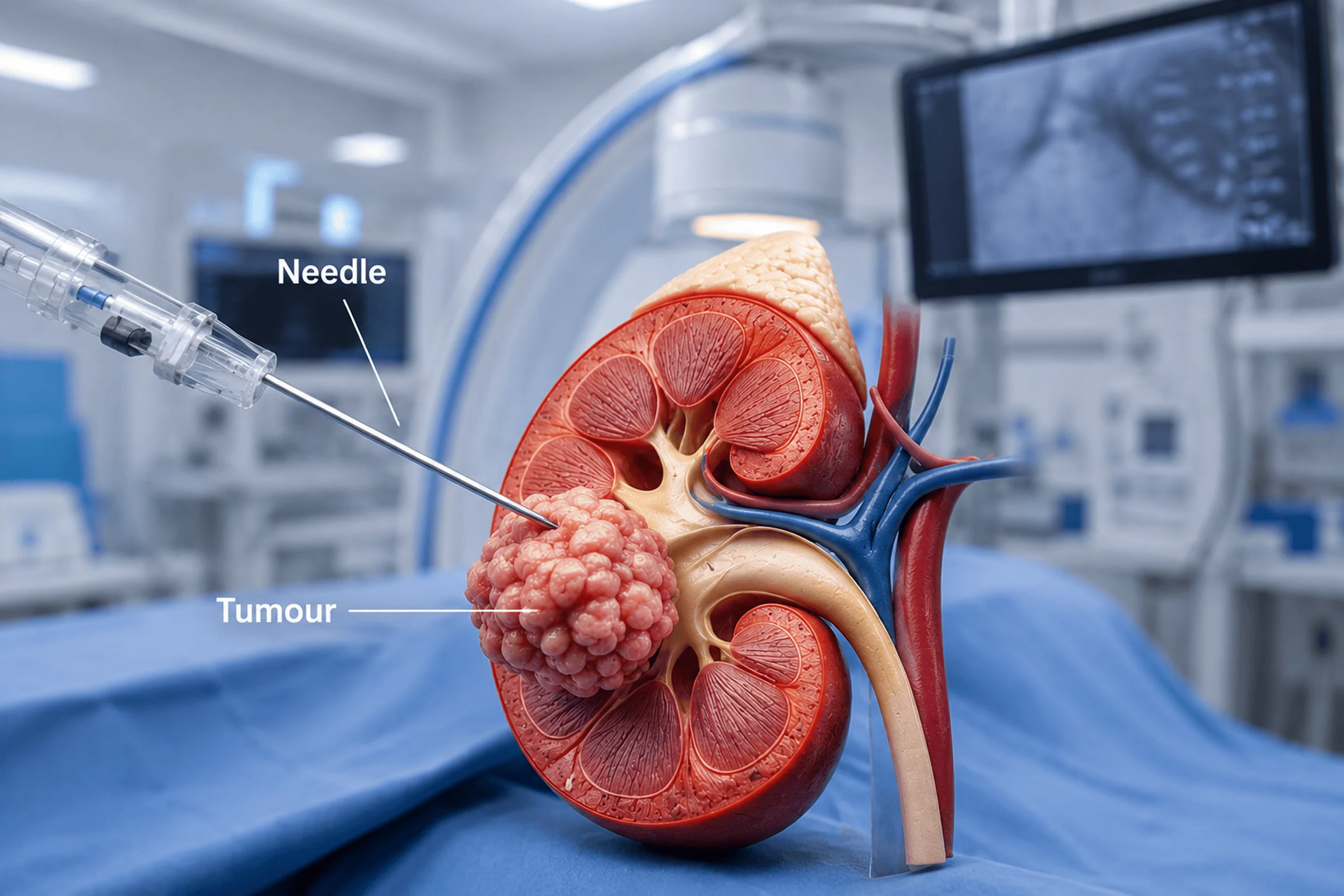
Hepatobiliary & Onco-Interventions
- Advanced Hepatobiliary Imaging
- Minimally Invasive Liver-Directed Therapy
- Expert Interventional Oncology Team
- Day-Care & Short-Stay Procedures
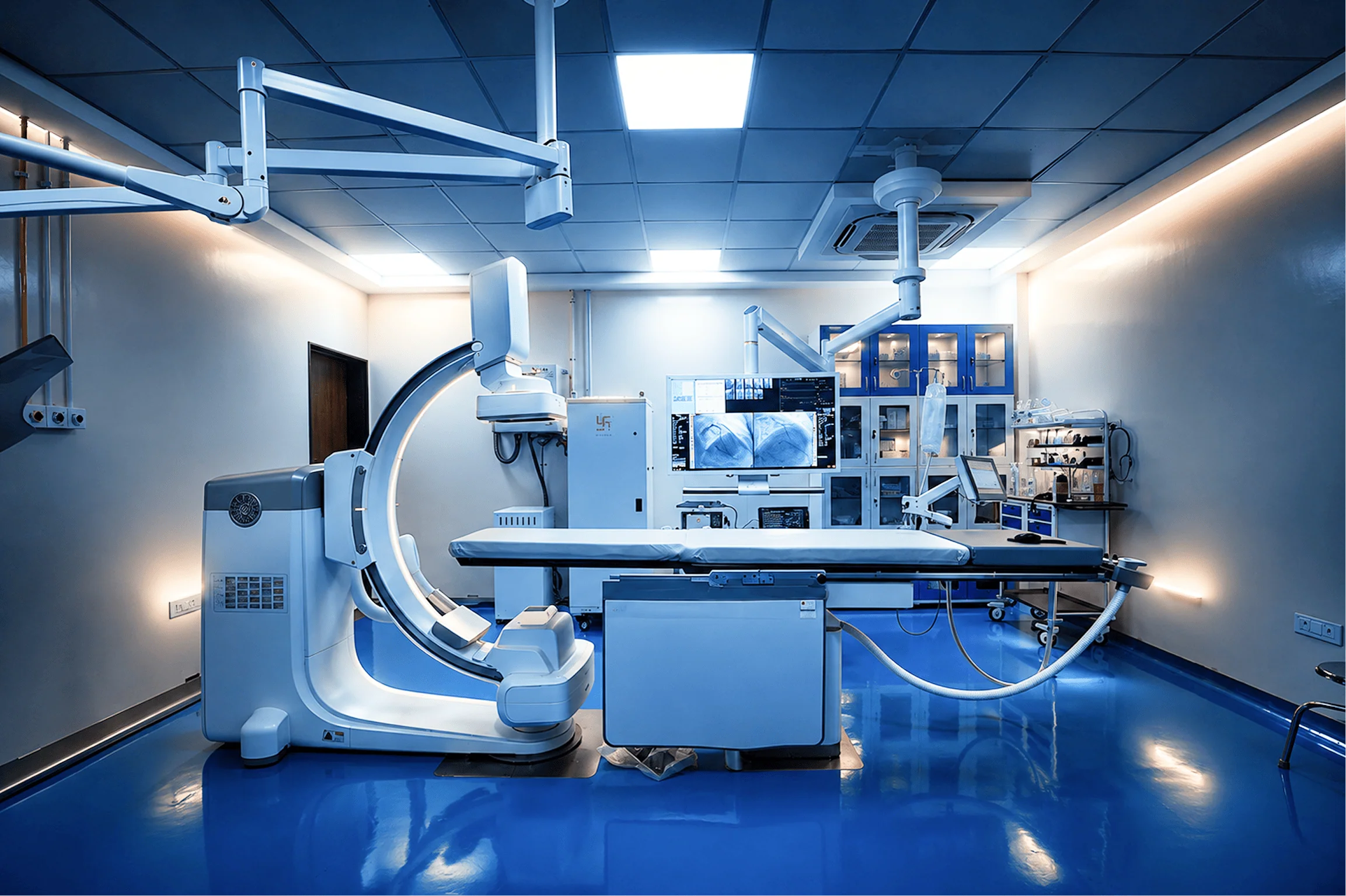
What are Hepatobiliary & Onco-Interventions?
Targeted Delivery
Liver-Sparing
Precise Imaging
Faster Recovery
When You May Need This Care
- Diagnosed liver tumour — primary hepatocellular carcinoma or metastatic disease requiring local, liver-directed therapy.
- Jaundice or yellowing of the skin and eyes due to bile duct obstruction.
- Complications of liver cirrhosis, including ascites or variceal bleeding.
- Abnormal portosystemic blood flo.w requiring correction
- Recurrent or non-resectable liver tumours not amenable to surgical resection.
Procedure descriptions
T
TACE
Delivers chemotherapy directly into a tumour's blood supply while occluding its feeding vessels — concentrating treatment at the tumour site.
I
TIPS
Creates an internal hepatic channel to decompress portal hypertension and manage its complications in cirrhotic disease.
B
BRTO / PARTO
Targets abnormal portosystemic varices in patients with portal hypertension using balloon-assisted occlusion techniques.
R
RFA / MWA
Destroys small liver tumours using precisely delivered heat energy under ultrasound or CT guidance.
Hepatobiliary & Onco-Interventions Treatment Journey
Scarless Procedure
Multidisciplinary Planning
Minimally Invasive Intervention
Integrated Follow-Up Care
Post-Procedure Care & Recovery
Immediate Recovery
A brief period of observation to monitor urine output, puncture site, and vital signs before discharge.
Home Care Plan
Detailed guidance on diet, physical activity, and medication management is provided at discharge, tailored to the specific procedure performed and the patient's overall hepatic condition.
Follow-Up Consultation
Scheduled follow-up imaging and liver function blood tests are arranged to assess treatment response, evaluate tumour or disease status, and inform the ongoing management plan.

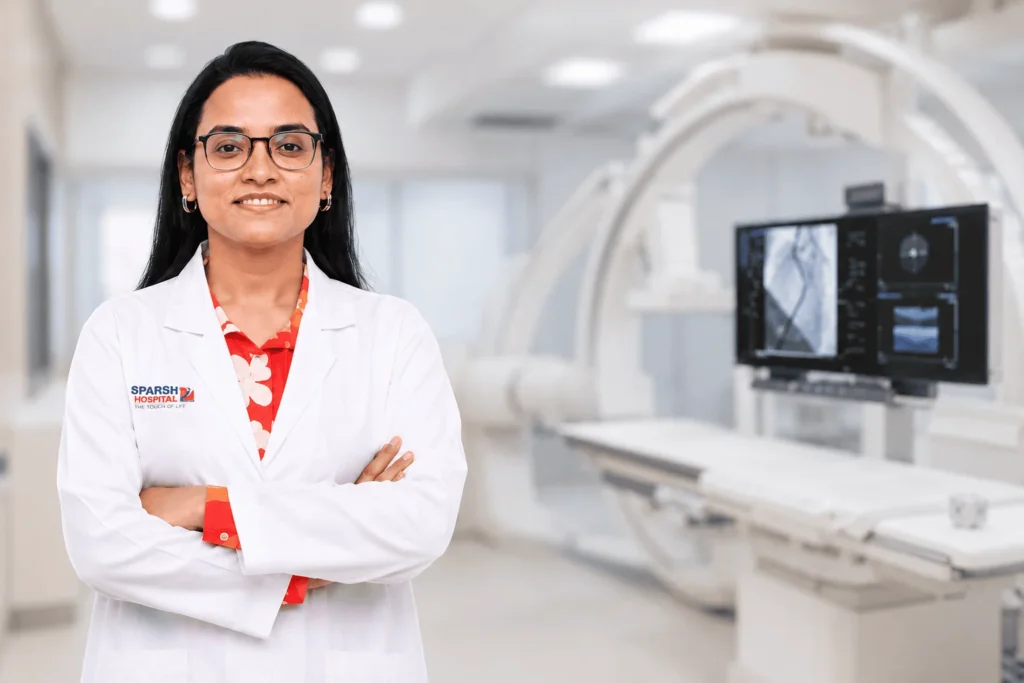
Why Choose Dr. Deepmala Karmakar?
Our interventional radiology practice brings specialised expertise across the full spectrum of vascular and non-vascular care. Every case begins with a thorough clinical evaluation ensuring the most appropriate, evidence-based intervention is selected for each patient’s specific condition.
Every procedure is performed under real-time advanced imaging whether ultrasound, fluoroscopy, or CT enabling precise access and targeted treatment with minimal disruption to surrounding tissue and faster recovery outcomes.
Experienced Specialists
Each procedure is led by a trained interventional radiologist with deep expertise across vascular and non-vascular domains.
Advanced Technology
Procedures are guided by state-of-the-art imaging infrastructure, ensuring accuracy at every step of the intervention.
24×7 Response
Time-critical conditions including acute stroke and vascular emergencies are managed with round-the-clock readiness and a dedicated response protocol.
Image-Guided Precision
Targeted access under real-time imaging minimises tissue disruption, reduces procedure time, and supports faster, more predictable recovery.
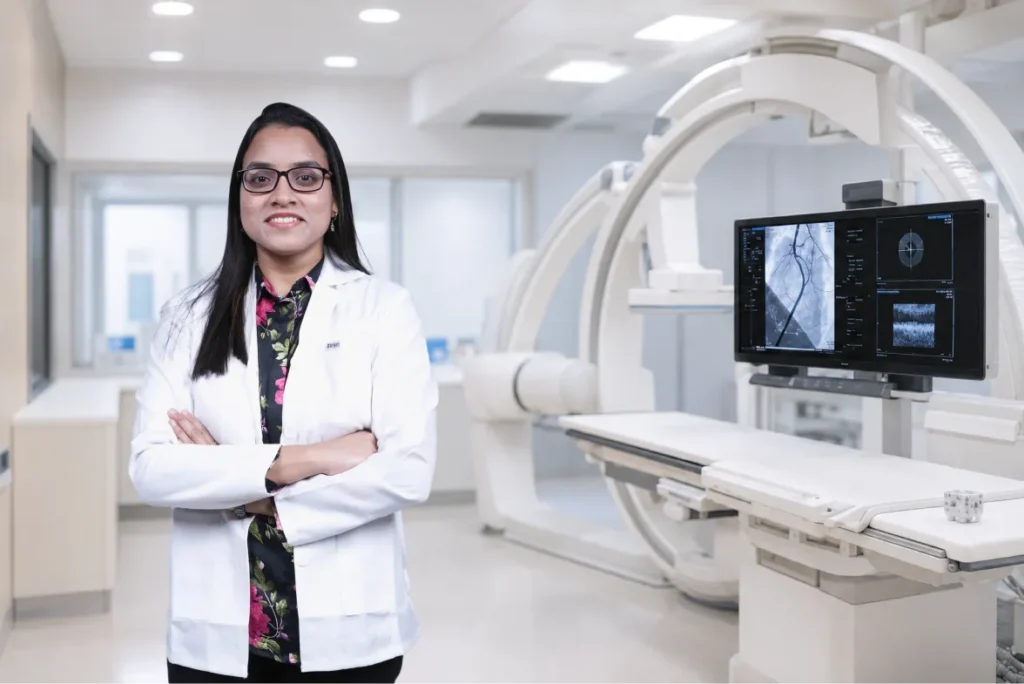
Why Choose
Dr. Deepmala Karmakar?
Experienced Specialists
Procedures are led by a trained interventional radiologist with dedicated expertise in hepatobiliary anatomy, liver-directed oncology, and complex portosystemic interventions.
Advanced Imaging Technology
State-of-the-art angiography, ultrasound, and CT-guided navigation infrastructure supports precise tumour targeting and accurate procedural delivery.
Multidisciplinary Coordination
Every complex case is reviewed through a structured tumour board process involving interventional radiology, hepatology, oncology, and surgery — ensuring optimal treatment selection.
Image-Guided Precision
Real-time imaging guidance throughout each procedure enables precise access, targeted treatment delivery, and accurate assessment of immediate technical success.
Frequently Asked Questions
What is TACE used for?
TACE is used to treat primary liver tumours — particularly hepatocellular carcinoma — and selected liver metastases. It works by delivering chemotherapy directly into the tumour's blood supply while simultaneously blocking that supply, concentrating the therapeutic effect at the tumour site and significantly reducing systemic exposure compared to conventional intravenous chemotherapy.
What is a TIPS procedure?
TIPS creates an internal channel between the portal and hepatic veins within the liver, effectively reducing the elevated portal blood pressure that develops in cirrhotic liver disease. It is used to manage complications including refractory ascites, bleeding oesophageal or gastric varices, and hepatic hydrothorax.
Is hospital admission required for these procedures?
Many hepatobiliary and interventional oncology procedures are performed as day-care or short-stay treatments. The exact duration depends on the specific procedure, its complexity, and the patient's overall hepatic condition.
Get in Touch
Precision Where It Matters Most
98%
Successful Procedures
15 min
Door-to-Imaging Time
24×7
Emergency Response
10+
Years of Experience
