
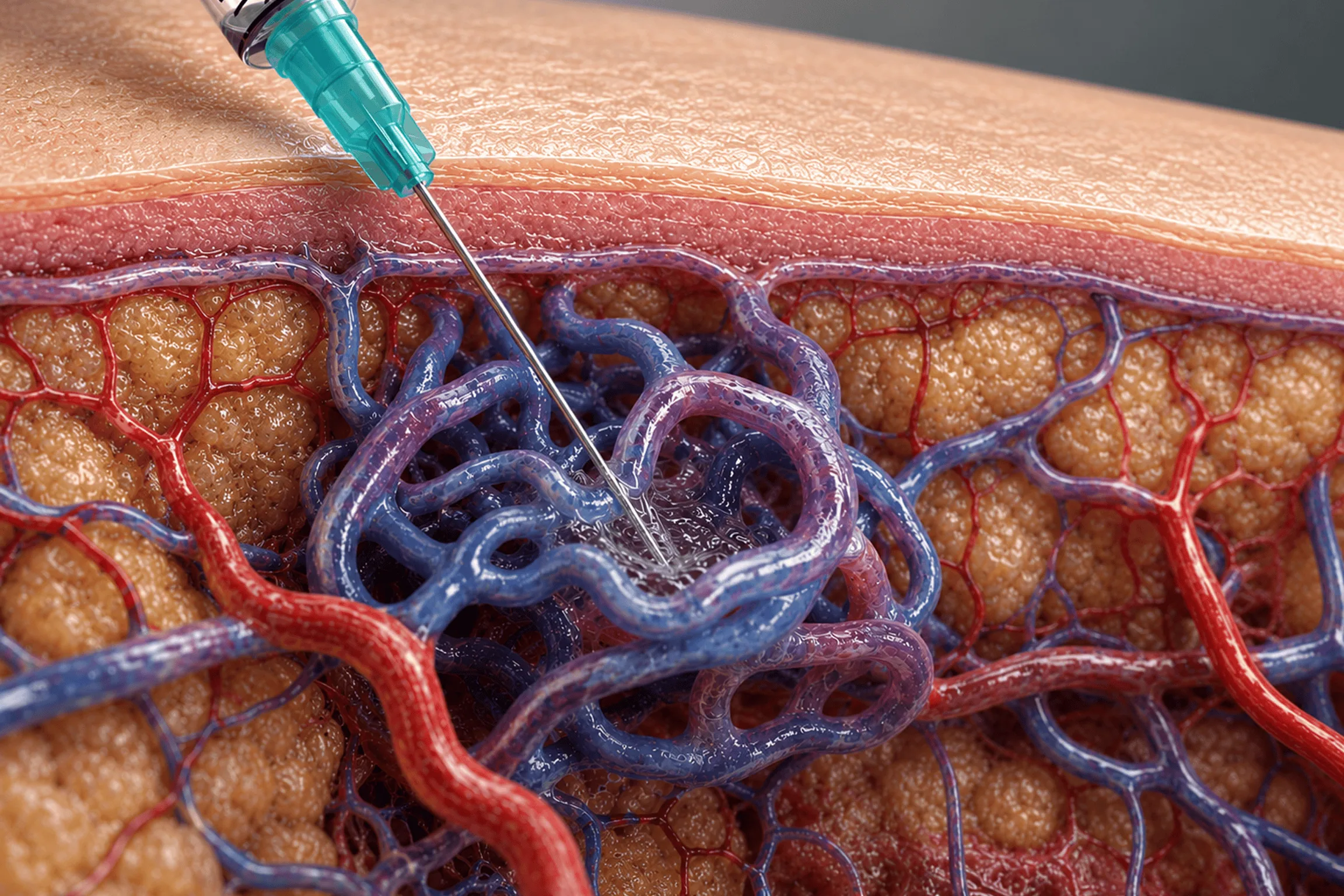
Sclerotherapy for Vascular Malformation
- Ultrasound / Fluoroscopy-Guided Precision Injection
- No Surgical Incision, No Visible Scar
- Surrounding Tissue Preserved
- Day-Care Procedure, Same-Day Discharge
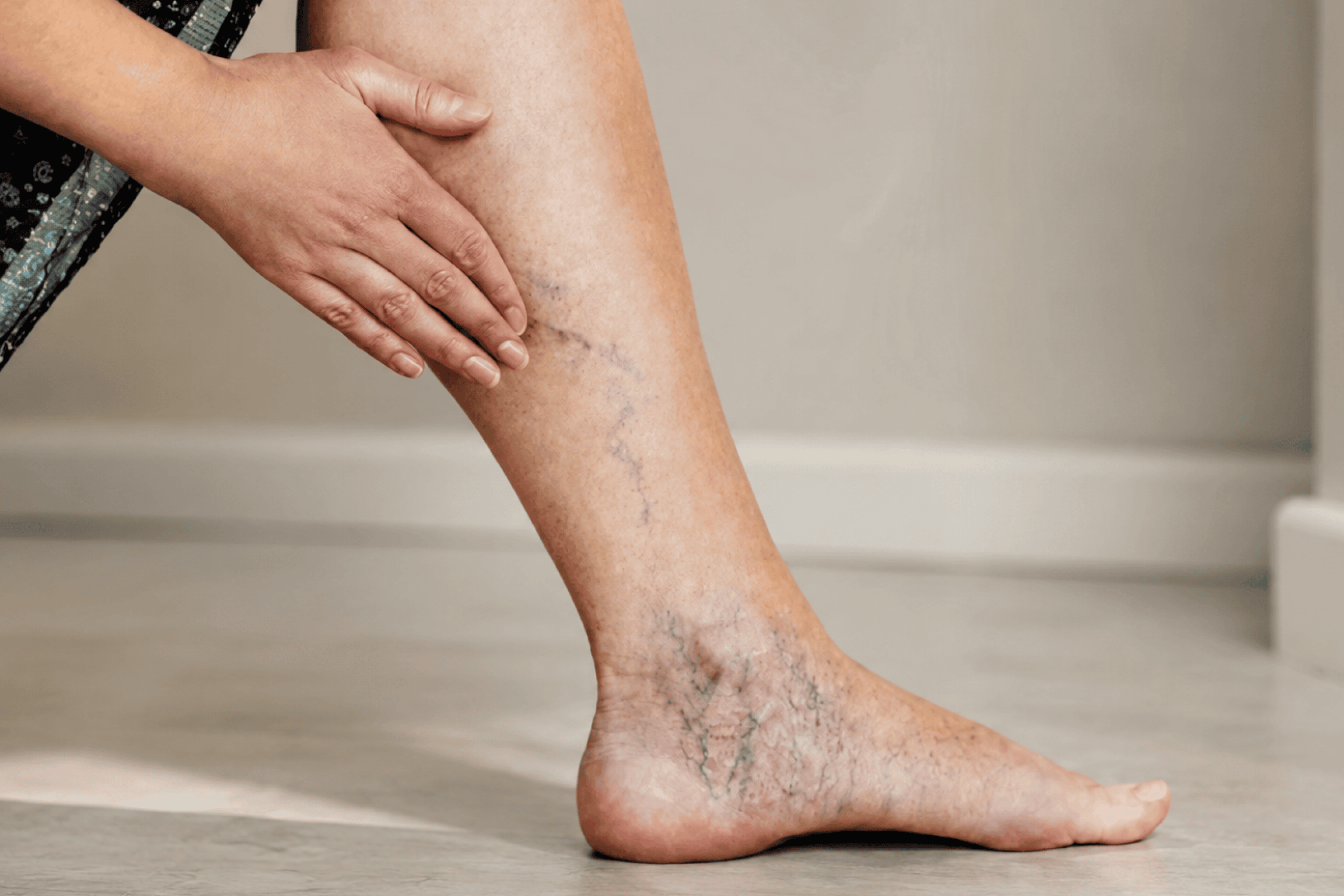
What is Vascular Malformation Sclerotherapy?
Scarless Treatment
Tissue-Preserving
Symptom Relief
Outpatient Procedure
Symptoms & Indications
- Visible swelling, bluish discolouration, or cosmetic concern.
- Sensation of heaviness, pressure, or a palpable mass.
- Pain that worsens with activity, standing, or menstruation.
- Swelling that increases through the day or with dependency.
- Confirmed venous or lymphatic malformations unsuitable for observation alone.
- Functional limitation or recurrent bleeding/infection in select cases.
Treatment Approaches for Vascular Malformation
F
Foam Sclerotherapy
Uses a detergent sclerosant (e.g. STS or polidocanol) whipped into foam to treat venous malformations, maximising vessel wall contact for effective closure.
B
Bleomycin Sclerotherapy
Delivers a chemotherapeutic sclerosing agent directly into lymphatic malformations, offering effective shrinkage with a favourable safety profile in soft-tissue spaces.
O
OK-432 (Picibanil) Sclerotherapy
An immunostimulant agent injected into macrocystic lymphatic malformations, triggering an inflammatory response that collapses and shrinks the cystic spaces.
E
Ethanol Sclerotherapy
A potent sclerosing agent used for select venous and arteriovenous malformations, delivered under careful image guidance to destroy the abnormal vessel lining.
Vascular Malformation Sclerotherapy Treatment Journey
Scarless Procedure
Local/Sedation Only
Same-Day Discharge
Tissue Function Preserved
Post-Procedure Care & Recovery
Immediate Recovery
A brief period of observation to monitor for swelling, discomfort, or skin changes before discharge.
Home Care Plan
Guidance on activity, compression garment use, and mild pain management for the first few days, with most patients resuming normal routines within 24–48 hours.
Follow-Up Consultation
Scheduled imaging at intervals over the following months to track volume reduction, confirm symptom improvement, and determine whether additional sessions are required.
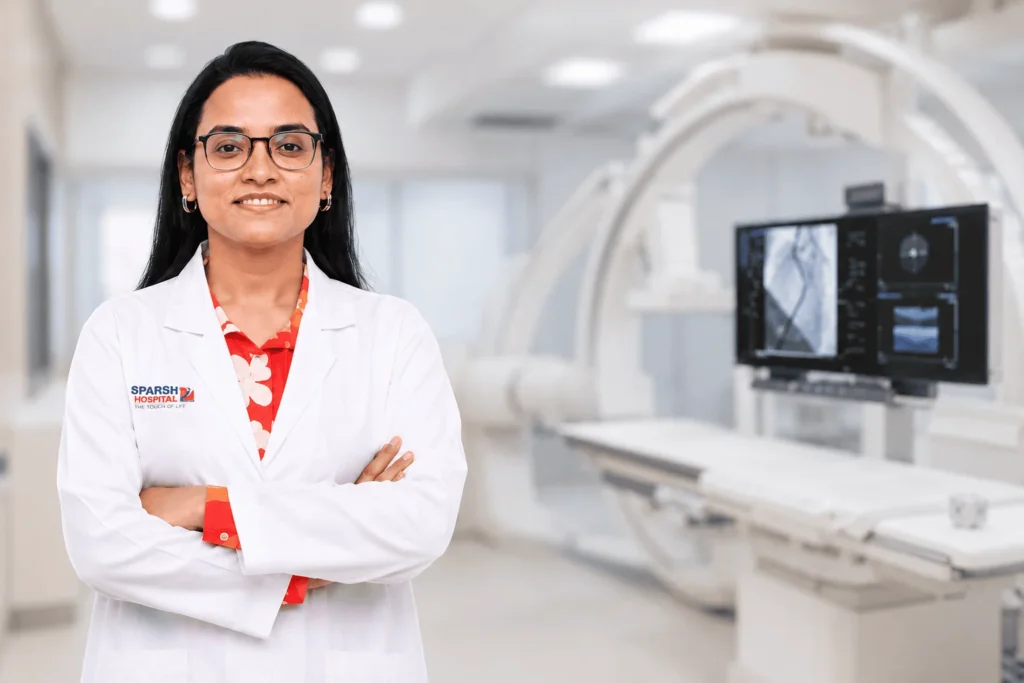
Why Choose Dr. Deepmala Karmakar?
Our interventional radiology practice brings specialised expertise across the full spectrum of vascular and non-vascular care. Every case begins with a thorough clinical evaluation ensuring the most appropriate, evidence-based intervention is selected for each patient’s specific condition.
Every procedure is performed under real-time advanced imaging whether ultrasound, fluoroscopy, or CT enabling precise access and targeted treatment with minimal disruption to surrounding tissue and faster recovery outcomes.
Experienced Specialists
Each procedure is led by a trained interventional radiologist with deep expertise across vascular and non-vascular domains.
Advanced Technology
Procedures are guided by state-of-the-art imaging infrastructure, ensuring accuracy at every step of the intervention.
24×7 Response
Time-critical conditions including acute stroke and vascular emergencies are managed with round-the-clock readiness and a dedicated response protocol.
Image-Guided Precision
Targeted access under real-time imaging minimises tissue disruption, reduces procedure time, and supports faster, more predictable recovery.
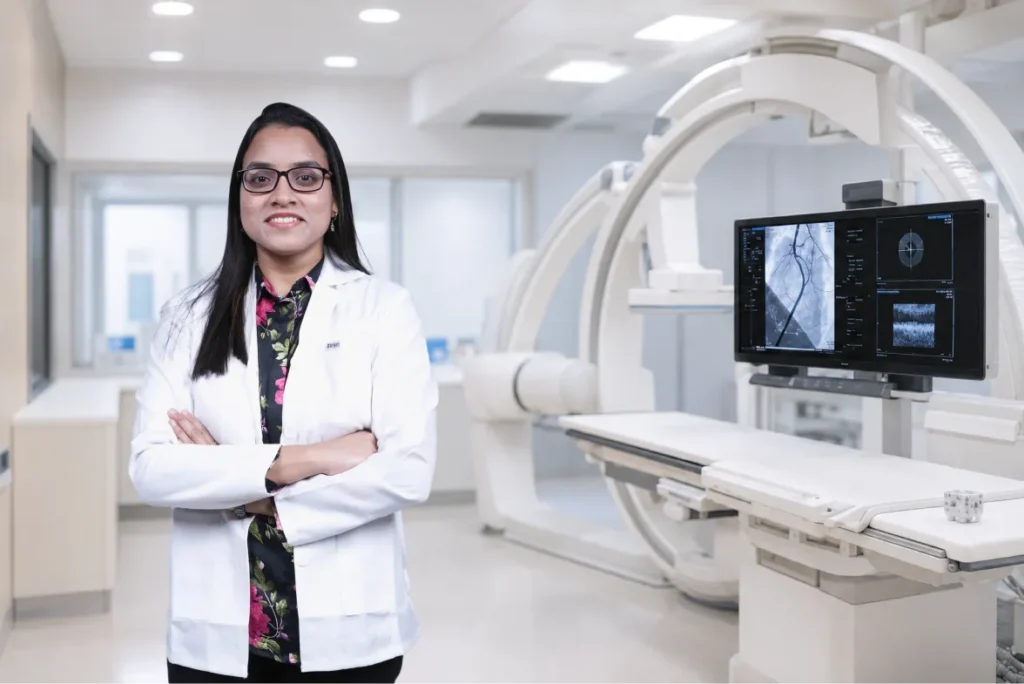
Why Choose
Dr. Deepmala Karmakar?
Close coordination with hepatology, oncology, and surgical teams ensures that every patient receives a treatment plan that is not only technically appropriate but aligned with their broader clinical management. Interventional radiology in this space is not a standalone service — it is a core component of comprehensive hepatobiliary care.
Experienced Specialists
Procedures performed by an interventional radiologist trained in image-guided sclerotherapy techniques.
Advanced Imaging Technology
High-resolution ultrasound and fluoroscopy enable precise targeting and real-time monitoring during injection.
Tissue-Preserving Approach
Treatment is confined to the malformation, safeguarding surrounding healthy structures and function.
Minimally Invasive Precision
Needle-based access avoids incisions, general anaesthesia, and prolonged hospital stays.
Frequently Asked Questions
How is sclerotherapy different from surgical excision of a vascular malformation?
Sclerotherapy treats the malformation directly through a needle or catheter under image guidance, without any incision or removal of tissue — preserving surrounding structures and function while avoiding a visible scar, unlike surgical excision.
Is the procedure suitable for all vascular malformations?
Sclerotherapy is generally best suited to venous and lymphatic (low-flow) malformations confirmed through imaging. Suitability depends on malformation type, size, location, and proximity to critical structures, assessed individually through ultrasound or MRI evaluation.
How many sclerotherapy sessions will I need?
Most sclerotherapy procedures are performed as day-care treatments with same-day discharge. The exact number of sessions and recovery timeline depends on malformation size, type, location, and the patient's overall response to treatment.
Get in Touch
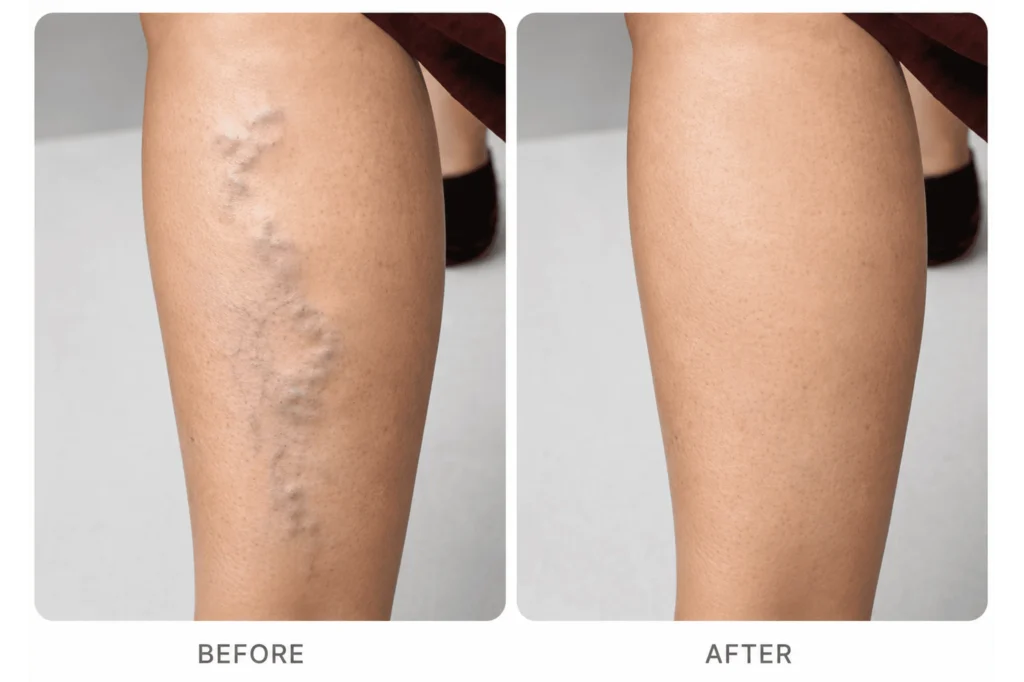
A Scarless Solution for Vascular Malformations
95%
Symptom Improvement Success
Same-Day
Discharge
0
Visible Scars
10+
Years of Experience
