
Can Fibroids Be Treated Without Surgery?
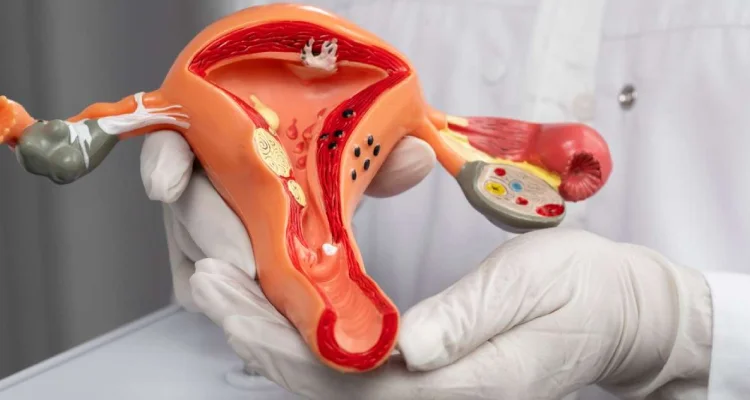
If you have been told that surgery is your only option for fibroids — you have not been given the full picture.
A non-surgical treatment for uterine fibroids has existed for over two decades. It is called Uterine Fibroid Embolization, or UFE. Most women with fibroids have never heard of it. Most gynaecologists do not bring it up. This article explains what it is, who it is right for, and how it compares to the surgical options you may already have been offered.
What Are Uterine Fibroids?
Uterine fibroids are non-cancerous growths that develop within the muscle wall of the uterus. They are extremely common — fibroids affect approximately 1 in 3 women at some point in their lives, and up to 70% of women will develop at least one fibroid by the age of 50.
Fibroids range in size from a few millimetres to several centimetres. Some women have a single fibroid. Others have multiple. Their location within the uterus — submucosal, intramural, or subserosal — determines what symptoms they cause.
Common symptoms include:
- Heavy or prolonged menstrual bleeding
- Pelvic pain or pressure
- Frequent urination
- Lower back pain
- Pain during intercourse
- Bloating or a visibly enlarged abdomen
Not all fibroids cause symptoms. When they do, the severity varies widely. The decision to treat — and how — depends on the symptoms, the fibroid’s size and location, and the patient’s fertility plans.
The Standard Treatment Options for Fibroids
When a woman is diagnosed with symptomatic fibroids, she is typically presented with three options:
1. Hysterectomy
Surgical removal of the uterus. This is the most commonly recommended treatment for fibroids in India. It is definitive — fibroids cannot recur because the uterus is removed. However, it is also major surgery. It requires general anaesthesia, a hospital stay of 2–5 days, and a recovery period of 4–8 weeks. And it permanently ends the possibility of pregnancy.
2. Myomectomy
Surgical removal of individual fibroids while preserving the uterus. This is the standard recommendation for women who wish to maintain fertility. It can be done as open surgery, laparoscopically, or hysteroscopically, depending on fibroid location. Recovery is shorter than hysterectomy but still involves surgery, anaesthesia, and downtime. Fibroids can also recur — studies show recurrence rates of 15–30% within 3 years.
3. Medication
Hormonal therapies such as GnRH analogues can temporarily reduce fibroid size and control bleeding. They do not eliminate fibroids. Once the medication stops, fibroids typically return to their previous size. Medication is usually used short-term before surgery, not as a standalone long-term solution.
What most women are not told about is the fourth option.
What Is UFE — Uterine Fibroid Embolization?
Fibroids are highly dependent on blood flow to survive and grow. UFE works by blocking the blood vessels that feed the fibroids. Without that supply, the fibroids shrink — and symptoms resolve.
How the procedure works:
- A thin catheter is inserted through a small puncture in the wrist or groin — no incision, no stitches
- Using live X-ray imaging (fluoroscopy), the catheter is guided to the uterine arteries
- Tiny particles are injected to block the blood supply to the fibroids
- The procedure takes approximately 60–90 minutes
- Most patients stay one night in hospital and return to normal activity within 7–10 days
What happens to the fibroids after UFE:
The fibroids do not disappear overnight. Over the following 3–6 months, they shrink progressively as they lose their blood supply. Clinical data shows:
- Fibroid volume reduction of 50–60% at 6 months
- Significant improvement in heavy bleeding in over 85% of patients
- Sustained symptom relief in the majority of patients at 5-year follow-up
The uterus is preserved. There are no surgical incisions. No general anaesthesia is required.
UFE vs Hysterectomy vs Myomectomy: A Clinical Comparison
| UFE | Hysterectomy | Myomectomy | |
| Surgery required | No | Yes (major) | Yes |
| General anaesthesia | No | Yes | Yes |
| Hospital stay | 1 night | 3–5 days | 2–4 days |
| Recovery time | 7–10 days | 4–8 weeks | 2–6 weeks |
| Uterus preserved | Yes | No | Yes |
| Fibroid recurrence | Low | None (uterus removed) | 15–30% at 3 years |
| Fertility preserved | Possible | No | Yes |
Who Is UFE Right For?
UFE is appropriate for most women with symptomatic fibroids who want to avoid surgery. Specifically, UFE is a strong option if you:
- Have heavy periods, pelvic pain, or pressure that is affecting your quality of life
- Have been told you need a hysterectomy and want an alternative
- Want to preserve your uterus
- Cannot tolerate major surgery due to other health conditions
- Have multiple fibroids that make myomectomy complex
UFE may not be suitable in certain situations. Your interventional radiologist will assess candidacy based on:
- Fibroid location and vascularity (assessed on MRI)
- Whether you are planning a pregnancy in the near future
- Presence of suspected malignancy — UFE is not appropriate for cancerous lesions
- Specific fibroid subtypes such as pedunculated submucosal fibroids
A pre-procedure MRI is standard. It maps the fibroids precisely and rules out conditions that would change the treatment plan.
Can You Get Pregnant After UFE?
UFE is not the first-line recommendation for women who are actively planning a pregnancy in the immediate term. Myomectomy remains the standard recommendation in that setting, because it allows direct fibroid removal while preserving fertility pathways.
That said, pregnancies after UFE are documented. Published case series show successful pregnancies and live births following UFE. The decision depends on fibroid burden, age, and the specific fertility picture — and should be made in consultation with both an interventional radiologist and a gynaecologist.
For women who have completed their family or are not planning pregnancy, UFE offers uterine preservation without this consideration.
Frequently Asked Questions
Is UFE painful?
There is post-procedural cramping and discomfort in the first 24–48 hours as the fibroids respond to reduced blood supply. This is managed with medication in hospital. Most patients describe it as significantly more manageable than anticipated, and return home after one night.
Will the fibroids come back after UFE?
The fibroids treated by UFE do not regrow — they shrink and are gradually absorbed. New fibroids can develop over time, but recurrence rates are substantially lower than with myomectomy. Long-term follow-up studies show durable symptom relief in the majority of patients.
Is UFE covered by health insurance in India?
UFE is coded as a vascular procedure and is covered by most major health insurance providers in India, including cashless policies. Coverage confirmation should be done before the procedure with your insurer. Your interventional radiology team can assist with the pre-authorisation documentation.
How long does it take to see results after UFE?
Heavy bleeding typically improves within the first menstrual cycle after UFE. Fibroid shrinkage is progressive — most patients see 50–60% volume reduction by the 6-month mark. Pelvic pressure and pain usually resolve as the fibroids reduce in size over this period.
What is the difference between UFE and a hysterectomy?
A hysterectomy removes the uterus entirely — it is major surgery requiring general anaesthesia, several days in hospital, and 4–8 weeks of recovery. It permanently ends the possibility of pregnancy. UFE is non-surgical, requires no incisions, is done under sedation, and requires 7–10 days of recovery. The uterus is preserved.
Is UFE available in Bangalore?
Yes. UFE is performed by interventional radiologists at select hospitals in Bangalore. It is important to ensure the procedure is being done by a specialist trained in vascular and interventional radiology, not as a side offering by a general radiologist.
The Bottom Line
Uterine fibroids do not automatically require surgery. UFE is a clinically established, evidence-backed non-surgical treatment that has been performed for over 25 years globally.
The majority of women who are sent for hysterectomy are candidates for UFE. They are simply never told.
Before you consent to any procedure for fibroids — surgical or otherwise — you are entitled to a complete picture of your options. That includes a consultation with an interventional radiologist.
Know before you consent.
Considering fibroid treatment?
Dr. Deepmala consults on UFE and all non-surgical fibroid options.
Book a consultation to understand whether UFE is right for your case.
