
Varicose Veins During and After Pregnancy: What's Normal, What's Not
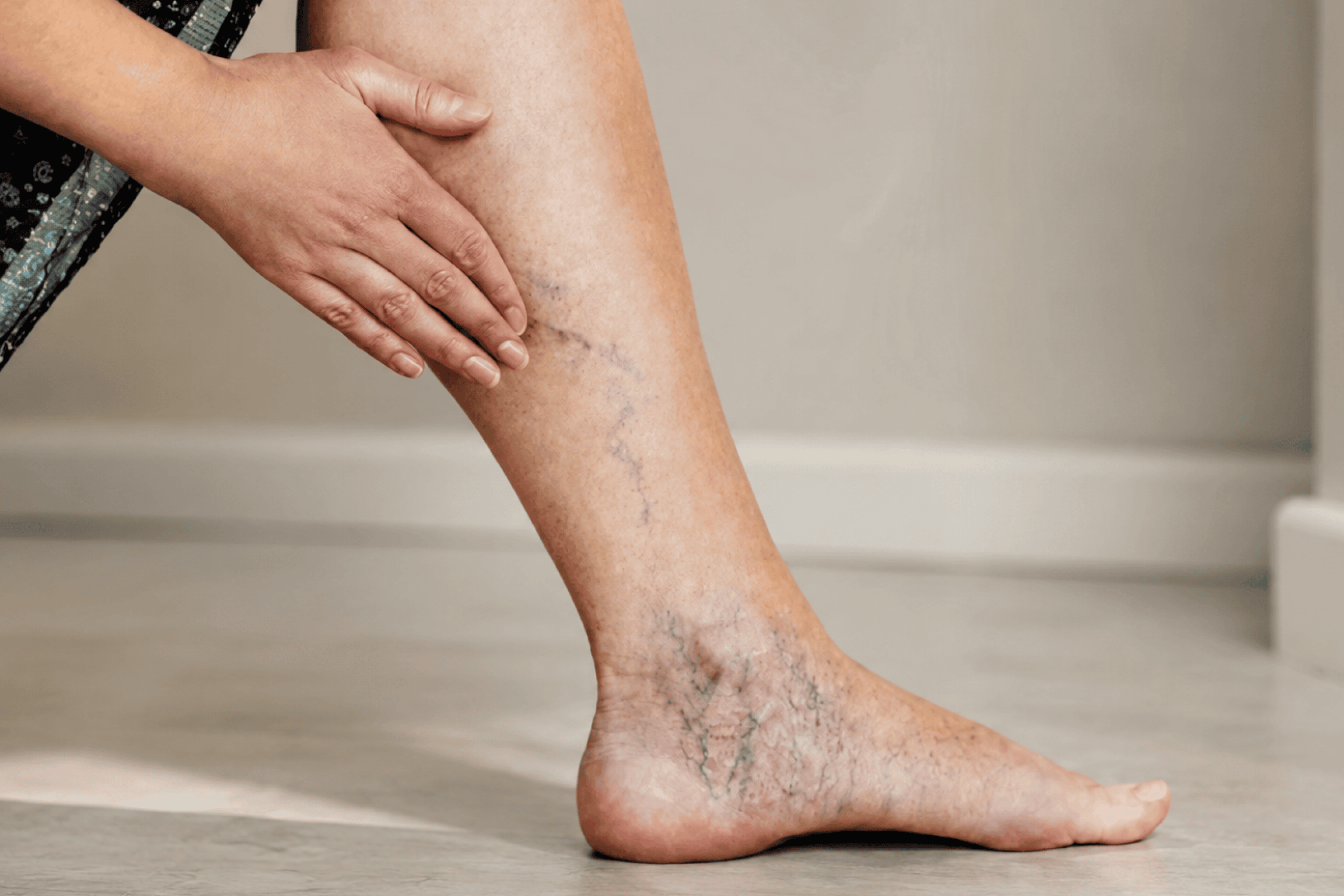
Varicose veins are common in pregnancy. They are not always harmless.
Most women are told to wait — that pregnancy-related varicose veins often resolve on their own after delivery. This is true for some. For others, the veins persist, worsen with subsequent pregnancies, and progress to a chronic venous insufficiency that becomes significantly harder to treat over time.
This article explains what causes varicose veins in pregnancy, how to tell when they require attention, and what treatment looks like — during pregnancy, after delivery, and for women who were never told treatment was an option at all.
Why Pregnancy Causes Varicose Veins
Pregnancy creates the ideal conditions for this to happen through three simultaneous mechanisms:
1. Increased blood volume
Blood volume increases by 40–50% during pregnancy. The venous system — designed for a specific volume — is now carrying significantly more. The additional pressure strains the vein walls and the valves within them.
2. Hormonal changes
Progesterone — which rises sharply during pregnancy — causes smooth muscle relaxation throughout the body, including the walls of blood vessels. Vein walls that would normally resist dilation become more compliant. Valves that were functioning adequately may begin to fail under the combined pressure of increased volume and reduced wall resistance.
3. Compression of pelvic veins
The result: venous pressure in the legs during pregnancy increases by approximately 3x compared to the non-pregnant baseline. For women with an underlying predisposition to venous insufficiency — genetic or otherwise — pregnancy is often the trigger that makes it visible.
What Normal Looks Like — and What It Doesn't
Expected and generally self-resolving
Mild varicose veins that appear during the second or third trimester and are limited to small, superficial veins. These often improve within 3–6 months postpartum as blood volume normalises, hormonal changes reverse, and pelvic compression is relieved. They may not disappear entirely, but significant improvement is common.
Spider veins — the small, web-like red or purple vessels visible close to the skin surface — are extremely common in pregnancy and usually resolve without intervention.
Not normal — requires assessment
Any of the following warrant evaluation, not watchful waiting:
- Veins that are causing significant pain, heaviness, or aching in the legs — particularly pain that worsens through the day and improves with leg elevation
- Veins accompanied by swelling that is asymmetric — one leg notably more swollen than the other
- Skin changes around the ankle or lower leg: darkening (hyperpigmentation), thickening, or itching
- An area of the vein that becomes hard, red, and tender — this may indicate superficial thrombophlebitis, which requires urgent assessment
- Sudden, significant swelling in one calf accompanied by pain or warmth — this must be evaluated for deep vein thrombosis (DVT) immediately
- Vulval or perineal varicose veins, which develop in some pregnancies and require specialist assessment
When to seek urgent assessment:
One leg significantly more swollen than the other
Calf pain with warmth and redness — possible DVT
A section of varicose vein that is hard, red, and painful — superficial thrombophlebitis
Any varicose veins that bleed — this can occur with minimal trauma and requires prompt management
Varicose Veins After Pregnancy: What to Expect
For most women, existing varicose veins improve in the first 3–6 months after delivery. The improvement is real but often incomplete — veins that were mildly visible before may become less prominent, but veins that were significantly dilated are unlikely to close entirely without treatment.
Two patterns are clinically important:
Veins that persist beyond 6 months postpartum
If varicose veins are still present and symptomatic — causing aching, heaviness, swelling, or skin changes — at 6 months postpartum, spontaneous resolution is unlikely. These veins require treatment. The underlying valve failure does not reverse on its own.
Veins that worsen with subsequent pregnancies
Each pregnancy compounds the venous load. Women who develop mild varicose veins in their first pregnancy frequently find them more prominent after a second, and symptomatic after a third. The incremental valve damage accumulates. Treating varicose veins between pregnancies — when it is safe and technically straightforward — is more effective than treating advanced venous insufficiency after the family is complete.
Treatment Options for Varicose Veins — Before and After Pregnancy
During pregnancy
Definitive treatment of varicose veins is not performed during pregnancy. The priorities are symptom management and complication prevention:
- Graduated compression stockings reduce venous pressure and improve symptoms significantly
- Leg elevation — particularly when resting — reduces pooling
- Regular walking maintains calf muscle pump function, which assists venous return
- Avoiding prolonged standing or sitting without movement
These measures do not treat the underlying valve failure. They manage the load on the system while definitive treatment waits.
After delivery — non-surgical treatment
Once the postpartum period has elapsed and breastfeeding considerations are factored in, definitive treatment can be planned. The standard of care for varicose veins is now non-surgical.
Endovenous Laser Treatment (EVLT)
EVLT is performed under local anaesthesia. The procedure takes approximately 45–60 minutes. Patients walk out of the clinic the same day and return to normal activity within 24–48 hours.
Radiofrequency Ablation (RFA)
Uses radiofrequency energy rather than laser to achieve the same result — controlled closure of the diseased vein from the inside. Equivalent outcomes to EVLT with a slightly different thermal profile. The choice between the two is based on vein anatomy and operator preference.
Sclerotherapy
A chemical agent is injected into smaller varicose veins or residual spider veins, causing them to close and fade. Often used alongside EVLT or RFA for comprehensive treatment of the full venous network. Particularly effective for the smaller, surface-level veins that laser or radiofrequency may not reach.
Vein stripping — now largely obsolete
The older surgical approach — physically removing the diseased vein under general anaesthesia — is no longer the standard of care for most varicose vein presentations. Recovery was significantly longer, complication rates higher, and outcomes comparable or inferior to modern non-surgical techniques. If you are being offered vein stripping as a first-line option, ask about EVLT or RFA.
On treatment timing between pregnancies:
If you are planning another pregnancy within 6–12 months, definitive treatment is generally deferred — a subsequent pregnancy will place the same venous load on the system and may affect the treated veins.
If you are between pregnancies with a reasonable interval, treating varicose veins at this point is clinically appropriate and technically more straightforward than treating after further progression.
Discuss the timeline with your interventional radiologist at the initial assessment.
Frequently Asked Questions
Will my varicose veins go away on their own after delivery?
Some will improve, particularly smaller and superficial veins that appeared late in pregnancy. Significant varicose veins — those causing symptoms or visible in multiple segments — are unlikely to resolve fully without treatment. If veins are still present and symptomatic at 6 months postpartum, they require assessment.
Is it safe to treat varicose veins while breastfeeding?
This depends on the specific treatment. Compression stockings are safe at any point. Definitive procedures such as EVLT, RFA, and sclerotherapy are typically deferred until breastfeeding has stopped, to avoid any theoretical exposure of the infant to medications used during or after the procedure. Your interventional radiologist will advise on the specific timing based on your treatment plan.
My veins don't look bad — they just ache. Should I still get them checked?
Yes. The severity of visible varicosity does not always correlate with the degree of valve failure underneath. A duplex ultrasound — a non-invasive scan of the venous system — maps the extent of reflux accurately and determines whether treatment is indicated. Aching, heaviness, and leg fatigue that worsens through the day are symptoms of venous insufficiency, not just cosmetic veins.
Can varicose veins come back after EVLT or RFA?
The treated vein does not reopen. However, if other veins in the system have underlying valve failure, these can dilate over time — particularly following additional pregnancies or prolonged standing. A thorough pre-treatment duplex scan identifies all diseased segments so the full venous network is addressed, reducing the likelihood of apparent recurrence.
I was told varicose veins are just cosmetic. Is that accurate?
No. While spider veins and mild surface vessels are largely cosmetic, varicose veins represent a pathological failure of the venous valve system. Left untreated, they can progress to chronic venous insufficiency, skin changes, superficial thrombophlebitis, and venous ulcers. The cosmetic label leads to delayed treatment — which makes the underlying condition harder to manage.
Is EVLT for varicose veins covered by insurance in India?
EVLT and RFA for symptomatic varicose veins are covered by most major health insurers in India when there is clinical evidence of venous insufficiency — confirmed on duplex ultrasound. The procedure is coded as a vascular intervention. Your interventional radiology team can assist with the pre-authorisation process.
The Bottom Line
Varicose veins in pregnancy are common. The majority are manageable and many improve after delivery. But not all resolve — and for those that don’t, timely treatment prevents a straightforward problem from becoming a complex one.
The standard of care for varicose veins is now non-surgical. EVLT and RFA close diseased veins from the inside, with no incisions, under local anaesthesia, with a same-day return home. The ‘wait and see’ advice is appropriate for 6 months postpartum. After that, it is a reason to treat — not a reason to delay.
If your veins are still symptomatic after pregnancy, or worsened with a subsequent pregnancy, ask for a duplex ultrasound assessment. That is where the clinical picture becomes clear.
Know before you consent.
Concerned about varicose veins after pregnancy?
Dr. Deepmala consults on varicose vein assessment and non-surgical treatment including EVLT and RFA.
Book a consultation for a duplex ultrasound assessment and a clear picture of your options.
